What Are NFTs and Why Do They Matter?
NFTs, or non-fungible tokens, are unique digital assets stored on a blockchain. Unlike cryptocurrencies such as Bitcoin or Ethereum, which are interchangeable, each NFT has its own distinct value and metadata. Think of it like this: one dollar bill is the same as another, but a signed baseball card isn’t equal to another card. NFTs have become especially popular in the world of digital art, gaming, music, and even real estate. The appeal? Ownership, authenticity, and scarcity—three things that the internet previously struggled to guarantee.
An NFT can represent anything from a digital painting to a music album to a moment in sports history. They’re typically bought and sold using cryptocurrency, and ownership is recorded on the blockchain, making it transparent and verifiable. Platforms like OpenSea, Rarible, and Foundation have enabled creators to monetize their work in new ways. But before you dive in, it’s essential to understand the full lifecycle of an NFT—from creation to sale—and the common pitfalls many beginners fall into.
Step 1: Understand the Technology Behind NFTs
Before you invest time or money, you need to grasp the basics of blockchain. NFTs are usually built on Ethereum, which supports smart contracts—self-executing agreements coded into the blockchain. These smart contracts define the terms of the NFT: who created it, who owns it, and under what conditions it can be resold. This technology ensures authenticity and ownership, which is why NFTs have become so significant in digital commerce.
However, not all NFTs are created equal. Some are minted with poor metadata or without royalty terms, affecting their future value. If you’re planning to become a creator, understand the standards like ERC-721 and ERC-1155. These standards define how NFTs behave and interact with other systems. Skipping this step is like trying to sell a house without knowing property laws—risky and full of potential issues.
Step 2: Choose the Right Platform to Create or Buy NFTs
There are dozens of NFT marketplaces, but they differ in audience, fees, and blockchain support. OpenSea is the most widely used and beginner-friendly, supporting Ethereum and Polygon networks. Rarible allows more customization and supports multiple blockchains. For more curated experiences, platforms like SuperRare or Foundation may be better, although they’re invite-only.
Expert Tip: Don’t just go with the trendiest platform. Evaluate where your target audience shops or where collectors in your niche are most active. For example, if you’re a game developer, look into platforms like Enjin that focus on gaming NFTs. Also, always check the gas fees—these are transaction costs on the blockchain, and they can spike dramatically depending on network congestion.
Step 3: Mint Your First NFT (or Make Your First Purchase)
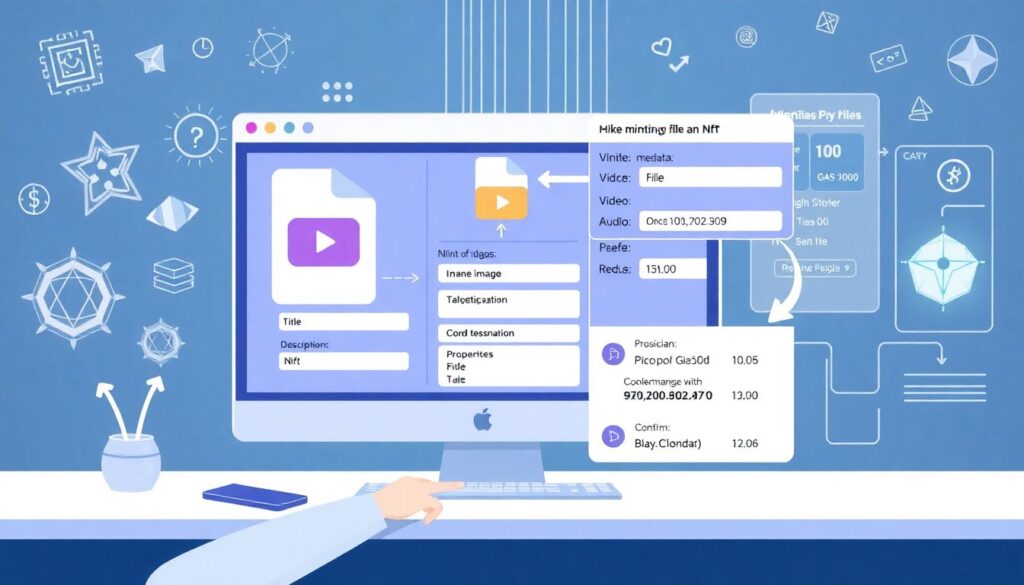
Minting refers to the process of turning a digital file into an NFT. This involves uploading your file (image, video, audio) to a platform, setting up metadata (title, description, properties), and paying a gas fee to register it on the blockchain. It’s relatively simple, but the devil is in the details. A vague or sloppy description can hurt your chances of selling. Incomplete metadata can lead to confusion about ownership or copyright.
If you’re buying instead of minting, do your homework. Always verify the seller’s authenticity. Scams are rampant—fake NFTs, copied artwork, and phishing links. One of the most common errors newbies make is clicking on suspicious links in Discord or Twitter. That mistake can drain your crypto wallet in seconds.
Step 4: Promote and Sell Your NFT
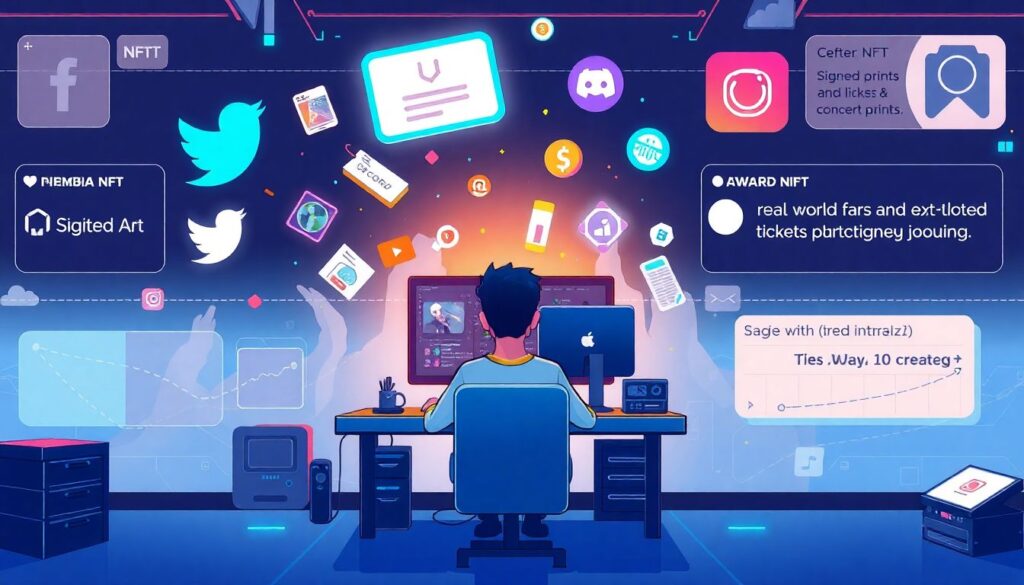
Creating an NFT is just the start—getting it noticed is a whole other game. Successful creators build communities on Twitter, Discord, or Instagram. They engage fans with updates, behind-the-scenes content, or exclusive perks. Some even offer real-world rewards like signed prints or concert tickets. The more value you provide, the more likely your NFT will attract buyers.
Pricing is also crucial. Many beginners overprice their work and get discouraged when it doesn’t sell. Start low, prove demand, then gradually raise your pricing. Adding utility—like giving holders access to a private chat or early access to future drops—can also increase perceived value. According to NFT artist Beeple, “It’s not just about the artwork anymore. It’s about the experience and the story behind it.”
Step 5: Long-Term Strategy and Ownership
After the sale, think about long-term value. Will your NFT retain interest six months later? Will it be part of a larger collection or a one-time release? Serious collectors often look for projects with roadmaps—plans that outline future updates or community engagement. Without this, even beautiful NFTs can lose traction.
Also, consider royalties. Ethereum smart contracts allow creators to earn a percentage of every resale—usually 5% to 10%. This creates ongoing passive income. But make sure the platform you’re using honors those royalties. Some don’t, and once your NFT is sold off-platform, you may lose that revenue stream.
Expert Insight: Crypto security specialist Laura Shin advises, “Always use a hardware wallet to store your NFTs. It’s your best protection against phishing and hacks.” Keeping valuable NFTs in a ‘hot wallet’ (connected to the internet) is like leaving your car unlocked in a bad neighborhood.
Common Mistakes to Avoid With NFTs
Let’s be real: the NFT space is still the Wild West. Many newcomers lose money by jumping into hyped projects without research. One major mistake is FOMO (fear of missing out). Just because a collection is trending doesn’t mean it’s sustainable. Ask yourself: is there a strong team behind it? Is the community active and engaged? Is there a roadmap?
Also, avoid using the same password across multiple NFT platforms. It sounds basic, but you’d be surprised how many accounts get hacked this way. Never share your seed phrase with anyone. That’s your master key, and anyone who has it can empty your wallet.
Lastly, don’t invest money you can’t afford to lose. NFTs are incredibly volatile. Prices can skyrocket—and crash—within days. Treat it like a high-risk investment. Learn, experiment, but protect yourself.
Final Thoughts on the Future of NFTs
Despite the hype and headlines, NFTs are more than a passing trend. They represent a shift toward digital ownership and creator empowerment. Musicians no longer need labels, artists don’t need galleries, and gamers can own in-game assets. We’re just scratching the surface of what’s possible.
However, success in this space requires more than luck. It takes research, community building, security awareness, and creative thinking. Whether you’re creating or collecting, treat NFTs as both an art and a business. The more you learn, the better positioned you’ll be to ride this digital wave intelligently.